



I know better.
Why do I still
keep doing this?

You can understand your childhood, know your attachment style and recognise every protective pattern you have…
And still, you keep doing the thing that hurts you.
Let’s get honest about why.


Which version of this is yours?
Because protective patterns rarely introduce themselves politely.
 Because protective patterns rarely introduce themselves politely.
You say yes to keep the peace and protect the connection.
You abandon your needs to avoid disappointing others.
Over time, you lose touch with what you want.
- What I do
- I read what others need, adapt quickly and say yes before checking in with myself.
- What I avoid
- Disapproval, conflict and the possibility that someone might pull away.
- How it protected me
- Keeping others comfortable may once have helped me stay connected and accepted.
- What can change
- I can notice my own answer before giving someone else one, and practise being honest in small, manageable moments.
A comment lands as criticism, even when it wasn’t meant that way.
You move quickly to explain, argue or push back.
Underneath the anger, something in you feels exposed.
- What I do
- I argue, explain myself or strike back when I feel criticised.
- What I avoid
- Feeling ashamed, powerless, misunderstood or wrong.
- How it protected me
- Anger gave me a way to protect myself when being vulnerable felt unsafe.
- What can change
- I can recognise the hurt beneath the reaction and give myself enough space to choose how I respond.
When things feel too much, you disappear inward.
You may go quiet, lose access to what you feel or find it hard to respond.
Distance gives you relief, but it can leave the other person unable to reach you.
- What I do
- I go quiet, pull away or lose touch with what I feel.
- What I avoid
- Overwhelm, conflict and feelings I don’t yet know how to hold.
- How it protected me
- Switching off helped me get through situations where I had too little support or too much to feel.
- What can change
- I can notice the first signs of withdrawal and return to myself and the conversation gradually.
A change in someone’s tone or attention can feel enormous.
You look for a sign that the connection is still safe.
Reassurance helps for a moment, then the doubt returns.
- What I do
- I seek contact, check for signs of distance and ask whether things are okay.
- What I avoid
- The uncertainty of not knowing where I stand with someone.
- How it protected me
- Staying alert to changes in connection may once have helped me prepare for rejection or loss.
- What can change
- I can name what has been triggered, ask clearly for what I need and build trust in my ability to stay with uncertainty.
In the moment, agreeing feels easier than risking tension.
Later, you feel the cost of a choice you didn’t really make.
The resentment often points to a boundary you couldn’t voice.
- What I do
- I say yes when I mean maybe or no, then feel trapped by my own agreement.
- What I avoid
- The discomfort of setting a limit and seeing how someone responds.
- How it protected me
- Agreeing helped me avoid conflict and preserve relationships when saying no felt costly.
- What can change
- I can pause before committing, tell the truth sooner and let a boundary be part of a healthy relationship.
You can see the pattern clearly and may even know the next step.
Yet when the moment comes, another part of you takes over.
Understanding the behaviour hasn’t made that part feel safe enough to change it.
- What I do
- I plan, analyse and promise myself I’ll change, then repeat the familiar behaviour.
- What I avoid
- The feelings, risks or consequences that come with doing something different.
- How it protected me
- The old pattern may have kept me safe, connected or in control when I needed it.
- What can change
- I can get curious about what the pattern is protecting, work with that part of me and make change at a pace I can actually sustain.
The pattern isn’t the problem.
It’s the protection.
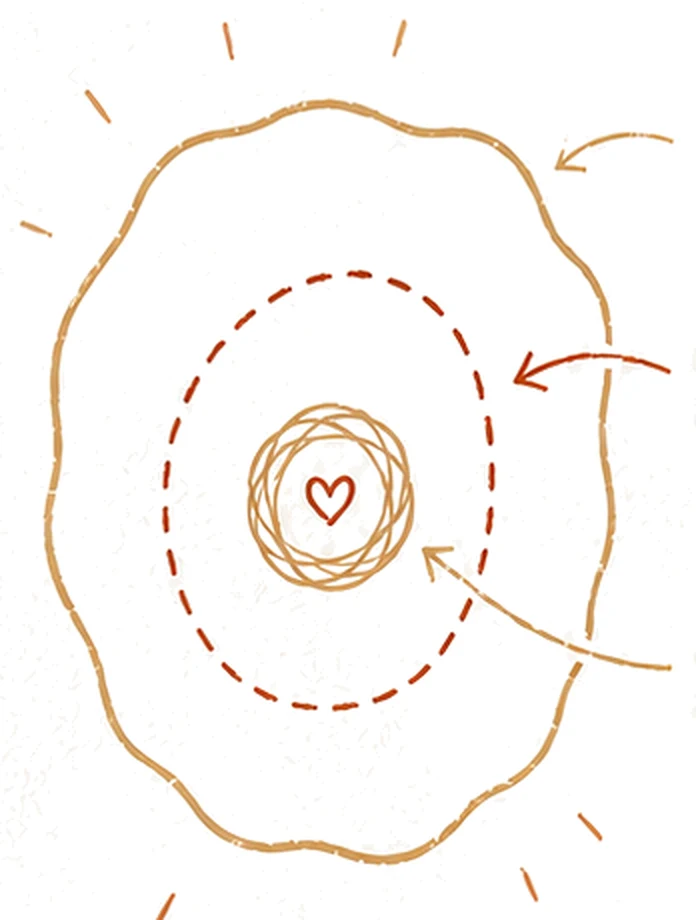
That behaviour you can’t seem to stop isn’t random.
It’s a protective part of you doing its best to prevent an emotion or a feared relational consequence.
Once you see the pattern, it can make perfect sense.
But insight alone doesn’t change it under pressure.
Show me how change happensUnderstanding why you leave yourself is not the same as being able to stay.
This is why I created
Emotion Integration Technique
I created EIT because understanding a pattern is not enough. We need a way to remain with ourselves when discomfort is present, integrate the emotion driving the protection, and choose without abandoning who we are.

- CatchNotice the Point of Departure
- StayRemain with what is present
- ChooseAct without abandoning yourself
EIT isn’t about…
- Fixing
- Suppressing
- Analysing forever
- Managing the symptom
It’s about integration
Helping your protective parts feel safe enough to release their grip.
So you can stay connected in the moments that used to break you.
And act in alignment with who you truly are.
Want to do something with this?
Choose how deeply you want to go.
Go deeper

Because none of this happens in isolation
I’ll write when I have something worth saying
Thoughtful ideas, new conversations and the occasional invitation.
 Talk to Remi